Catford Bridge station rubbish removal guide for locals
If you live, work, or commute near Catford Bridge station, rubbish has a way of building up faster than you expect. A broken chair sits in the corner. A bag of mixed junk turns into three. Before long, the hallway, shed, flat, or office starts feeling cluttered, awkward, and a bit stressful. This Catford Bridge station rubbish removal guide for locals is here to make the whole thing simpler, calmer, and far more manageable.
Whether you are clearing a rental flat, dealing with household clutter, shifting old furniture, or getting rid of mixed waste after a small project, the goal is the same: remove it safely, legally, and without wasting your weekend. Below, you will find a practical local guide covering how rubbish removal works, what to watch out for, and which options make the most sense depending on the job in front of you.
One thing local people usually notice pretty quickly: rubbish removal is rarely just about "taking stuff away". It is about access, timing, sorting, lifting, recycling, and avoiding the kind of mistakes that lead to delays or extra costs. Let's get into it properly.
Why Catford Bridge station rubbish removal guide for locals Matters
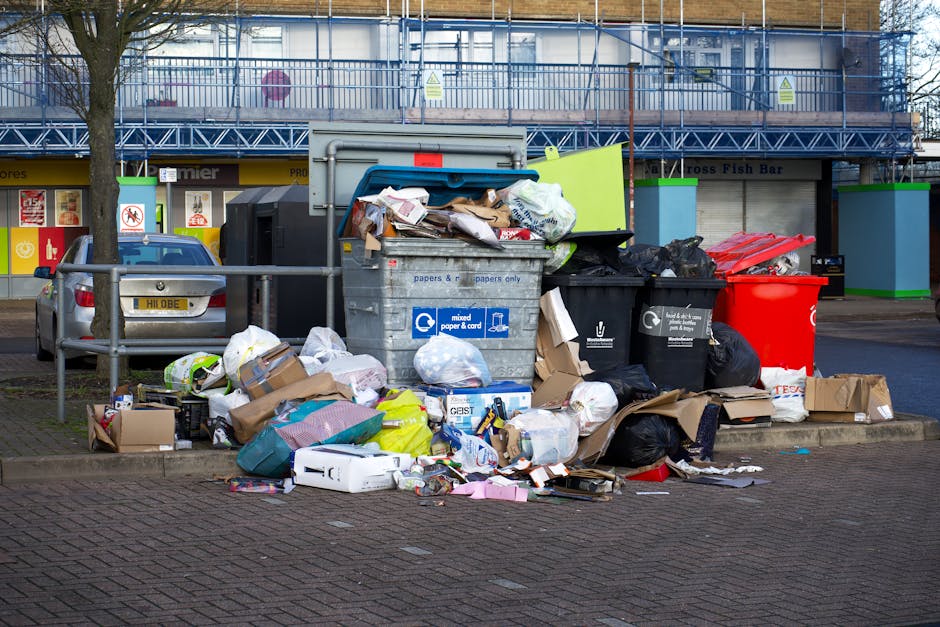
Catford Bridge station sits in a busy part of South London, which matters more than people sometimes realise. Local streets can be tight, parking can be awkward, and flats often have limited storage or shared access. So when waste starts piling up, it does not just look untidy; it can become a real practical issue.
For locals, rubbish removal is often tied to everyday life moments: a tenancy ending, a loft being emptied, a sofa that will not fit through the stairwell, or a garden project that leaves behind more waste than expected. In those situations, the question is not just "how do I get rid of this?" It is "how do I get rid of this without making a mess of my day?"
There is also a neighbourly side to it. Overflowing waste near shared entrances, bins left in the wrong place, or broken items leaning by the pavement can create friction quickly. Nobody enjoys that tense glance from a neighbour when a hallway starts smelling faintly of old carpet and damp cardboard. Best to deal with it early.
That is why a local guide matters: it helps you choose the right approach for the type and volume of waste, the access you have, and the urgency of the job.
How Catford Bridge station rubbish removal guide for locals Works
In simple terms, rubbish removal near Catford Bridge station usually follows a few core steps. You identify what needs clearing, decide how quickly it needs doing, and choose a method that matches the size and type of waste.
For smaller loads, you might be able to sort and move waste yourself in stages. For larger clearances, heavy items, or mixed rubbish, a professional removal service is often the easier route. That can be especially useful in flats, maisonettes, offices, and properties with narrow stairs or limited parking. Truth be told, a few bulky items can turn into a full-on logistical puzzle faster than expected.
In practice, the process often looks like this:
- Assess the waste and separate what can be reused, recycled, or disposed of.
- Check for bulky, heavy, or specialist items such as appliances, mattresses, or hazardous materials.
- Decide whether you need a one-off clearance, a regular service, or help with a specific room or area.
- Arrange collection around access, parking, and your schedule.
- Make sure the waste is handled responsibly and in line with UK best practice.
For residents looking at broader household or property clearance, it can help to review related services such as home clearance, flat clearance, or house clearance if the job involves more than just a few bags.
Key Benefits and Practical Advantages
Good rubbish removal is not just about speed. It can change how a space feels and functions almost immediately. You notice it the moment a cluttered room opens up, or when the hallway stops acting like a storage zone for random bits and pieces.
- Less stress: A clear space makes decision-making easier. You can actually see what needs doing.
- Safer rooms and access: Removing loose waste reduces trip hazards, blocked exits, and awkward lifting around corners.
- Better use of time: Instead of making several stressful trips, you can clear everything in one planned go.
- Improved recycling outcomes: Sorting waste properly gives more items a chance to be reused or recycled.
- Less disruption to neighbours: A neat, timely clearance is a lot easier on shared buildings and close-knit streets.
There is also a quiet emotional benefit people underestimate. Clutter can make a home feel unfinished, even when life is otherwise fine. Clearing rubbish can shift the mood of a place in a way that feels unexpectedly uplifting. A small thing, perhaps. But real.
If your clearance involves larger items, you may find the specialist pages for furniture clearance and furniture disposal especially useful. For old beds or worn-out seating, mattress and sofa disposal is a sensible place to start.
Who This Is For and When It Makes Sense
This guide is for all sorts of local people, not just homeowners with a big spring clean. In fact, many of the most common rubbish removal jobs near Catford Bridge station are surprisingly ordinary.
You may need help if you are:
- moving out of a flat and need the place cleared fast
- dealing with end-of-tenancy waste or leftover furniture
- clearing a loft, garage, shed, or spare room
- sorting out garden waste after pruning or landscaping
- removing old office furniture or stock from a small business
- handling builders' debris after a renovation or repair
- making space after replacing appliances or household items
It also makes sense if you are simply tired of managing the same pile of "I'll deal with that later" items. We all have one. Or three. No judgement.
For larger or more specialist jobs, you may want to look at garage clearance, loft clearance, or garden clearance. If the job is commercial, then office clearance and business waste removal are more relevant routes.
Step-by-Step Guidance
Here is the practical version. No jargon, no faff.
1. Walk through the space slowly
Start with a proper look at what is there. Do not guess. Things always seem smaller when you are rushing and bigger when you finally start stacking them near the door. Identify bags, boxes, furniture, appliances, and anything that may need special handling.
2. Split the waste into sensible groups
Separate general rubbish from reusable items, recyclable materials, and anything that needs special care. If you are clearing a mixed room, make rough piles first and refine them later. Good enough at this stage is genuinely good enough.
3. Check for restricted or awkward items
Some items are easy to overlook: fridges, freezers, paint tins, chemicals, sharp materials, or anything potentially hazardous. If you are unsure, pause and check rather than forcing it into the wrong disposal route.
4. Measure the access
Ask yourself: will the items fit down the stairs, through the communal hall, or into the lift? Is there space to park close by? Do you need to reserve a loading spot or time the collection carefully around train traffic and local footfall?
5. Choose the right service level
For some people, a simple waste collection is enough. For others, a full property clearance is the smarter option because the work includes sorting, lifting, loading, and disposal. If you are not sure, compare the job to the service descriptions carefully and pick the nearest match.
6. Book at a convenient time
Try to choose a slot that reduces disruption. Early morning can work well for busy homes, while daytime collections may suit offices or properties with easier access. Little timing details matter more than people expect.
7. Confirm what happens next
Before the collection, make sure you know what to leave accessible, what to bag up, and whether anything needs to be separated in advance. A bit of clarity upfront saves a lot of awkward back-and-forth on the day.
If you are unsure what can go where, the page on what can go in a skip is a useful way to sanity-check common waste categories, even if you are not hiring a skip.
Expert Tips for Better Results
After a lot of real-world clearances, a few habits consistently make things easier. Nothing glamorous. Just the sort of practical details that stop a small job turning into a messy one.
- Label bags and boxes early. Even basic labels like "keep", "recycle", and "remove" can save time.
- Disassemble bulky items if you can do so safely. A bed frame or shelving unit often becomes much easier to move once broken down.
- Clear a route first. Make the path to the door as open as possible before moving heavy items.
- Keep valuables and paperwork separate. It sounds obvious, but loose drawers and old bags can hide important bits.
- Book around your own energy, not just your calendar. If you know you'll be tired after work, don't schedule a large clearance for then. You'll hate yourself by 7pm.
One small but helpful habit: stand at the doorway and look back at the space before collection day. If anything looks uncertain, sort it then. That one glance often catches the odd cable, charger, or half-forgotten bag.
For households with a lot of furniture, white goods, or mixed contents, related pages such as fridge and appliance removal and furniture disposal can help you avoid item-by-item confusion.
Common Mistakes to Avoid
Most rubbish removal problems come from a few predictable mistakes. Easy to make, annoying to fix.
- Leaving sorting until the last minute. This usually creates delays and more mess.
- Mixing hazardous items with general waste. That can be unsafe and may prevent proper disposal.
- Underestimating access issues. A bulky item that looks manageable in a room can become impossible on a tight stairwell.
- Forgetting to check what should be reused or donated. Not everything old needs to become waste.
- Assuming everything can be taken together. Different waste streams often need different handling.
A subtle one, but important: people often forget to check whether the collection area is actually ready. A packed hallway, locked gate, or blocked driveway can slow things down and create unnecessary stress. It's such a small thing, but it matters.
If your situation involves heavier household waste rather than just bagged rubbish, broader services like waste removal and home clearance are usually a better fit than trying to patch it together one item at a time.
Tools, Resources and Recommendations
You do not need a garage full of equipment to manage a local clearance well. A few simple tools go a long way.
| Item | Why it helps | Best used for |
|---|---|---|
| Heavy-duty bags | Reduces tearing and spillages | General rubbish, mixed bagged waste |
| Gloves | Protects hands from sharp or dirty items | Sorting, lifting, moving waste |
| Trolley or sack truck | Makes bulky items easier to move | Boxes, small appliances, awkward loads |
| Marker pen and labels | Keeps sorting clear | Recycling, donation, keep piles |
| Dust sheets or old blankets | Protects floors and doorframes | Furniture moves, hallways, stairwells |
For residents who want a more structured service, the site's pricing and quotes and book online pages are useful next stops. If sustainability matters to you, take a look at recycling and sustainability as well.
And if the work touches sensitive paperwork, shared office files, or personal documents, confidential shredding is worth noting. Not the most exciting topic in the world, admittedly, but very useful when it counts.
Law, Compliance, Standards, or Best Practice
Rubbish removal in the UK is not something to treat casually. Without turning this into a lecture, it is worth being careful about duty of care, safe handling, and using a disposal route that matches the material.
In plain English, that means:
- do not mix unsafe materials with ordinary waste
- keep a sensible eye on what can be recycled or reused
- make sure waste is moved and disposed of responsibly
- avoid leaving items where they could create a hazard in shared spaces
If you are clearing from a home, flat, or workplace, the practical best practice is to sort waste early, keep access clear, and use a provider that explains how it handles disposal, safety, and recycling. For specialist or potentially risky loads, the safest option is usually to treat the item separately rather than bundling it in with everything else.
That is especially relevant for things like old appliances, sharp construction materials, and anything that may fall under hazardous waste disposal. If building work is involved, builders waste clearance is the more suitable category.
It is also sensible to review basic service standards such as health and safety policy, insurance and safety, and payment and security before you book. Not because every job is risky, but because clarity is always cheaper than confusion.
Options, Methods, or Comparison Table
If you are deciding how to clear waste near Catford Bridge station, this simple comparison can help.
| Method | Best for | Pros | Watch-outs |
|---|---|---|---|
| Self-clearance | Very small, manageable loads | Cheap, flexible | Time-consuming, physically demanding, multiple trips |
| Skip hire | Ongoing work or larger projects | Good capacity, useful for mixed building waste | Space needed, permits may be relevant depending on placement, sorting can be tricky |
| Professional rubbish removal | Mixed waste, bulky items, tight access, urgent clearances | Fast, less lifting, easier for flats and local access issues | Costs depend on volume, access, and item type |
For many local people, professional removal ends up being the best balance. It removes the strain of moving heavy items, and it suits the realities of flats, terraces, and busy streets near the station. If you only have a few light bags, fine, do it yourself. If you are staring at a broken wardrobe and a fridge that needs shifting downstairs, that's a different story entirely.
Case Study or Real-World Example
Here is a typical local scenario. A renter in a flat near Catford Bridge station is moving out on a Friday morning. They have a dismantled desk, an old mattress, several bags of mixed household waste, and a couple of awkward boxes left from a last-minute declutter. The building has a narrow stairwell and limited loading space outside.
Instead of trying to do everything in one rushed trip, they first sort the items: one pile for disposal, one pile for anything reusable, and one small pile of paperwork to shred. They clear the hallway, protect the floor, and make sure the bulky items are ready to go. Collection is arranged for a time that avoids peak foot traffic, which makes the whole process calmer and quicker.
What changed most? Not just the amount of waste. It was the confidence that the move-out could finish cleanly, without last-minute drama. The flat felt manageable again, which is often the real win. Not fancy, just a relief.
For situations like this, services such as flat clearance and mattress and sofa disposal are often the most relevant match, especially when the job involves more than a standard bin load.
Practical Checklist
Before collection day, run through this quick checklist. It saves bother.
- Identify every item that needs removing
- Separate reusable items from rubbish
- Check for appliances, sharp materials, or hazardous waste
- Clear walkways, stairs, and door access
- Make sure parking or loading space is workable
- Bag or box smaller waste securely
- Label anything that should stay
- Confirm the collection time and any access details
- Protect floors or walls if bulky items are being moved
- Keep documents and valuables out of the clearance area
If you want a broader review of household clearout options, the pages for house clearance, loft clearance, and garage clearance are practical reference points.
Conclusion
Catford Bridge station rubbish removal for locals is really about making a complicated job feel straightforward. Once you understand the waste, sort it properly, and choose the right removal method, the whole process becomes much less stressful. That is true whether you are clearing a single room, an entire flat, a garden corner, or a business space that has become a bit too full for comfort.
The best approach is usually the simplest one that still respects access, safety, and the type of waste involved. Start early, keep things separated, and use help where it genuinely saves you time and effort. That is the sort of practical decision people rarely regret.
Get a free quote today and see how much you can save.
Frequently Asked Questions
What is the best rubbish removal option near Catford Bridge station?
The best option depends on what you are clearing. Small bagged waste may suit self-clearance, but mixed rubbish, bulky furniture, and awkward access usually favour a professional removal service.
Can I clear rubbish myself from a flat near Catford Bridge station?
Yes, if the load is small and manageable. Just be realistic about stairs, carrying distance, parking, and whether any items are too heavy or awkward to move safely.
What items need special handling?
Appliances, mattresses, sofas, sharp materials, and anything potentially hazardous should be treated carefully. If in doubt, keep them separate and ask for guidance before collection.
Is furniture removal different from general rubbish removal?
Often, yes. Furniture usually needs more lifting, more space, and careful handling through hallways or stairwells, so a dedicated furniture service can be the better fit.
What should I do before collection day?
Sort the waste, clear access routes, separate valuables, and make sure any bulky items are ready to move. A little prep makes the collection far smoother.
How do I know if I need flat clearance rather than waste removal?
If the job involves a whole property, multiple rooms, or a large mix of contents, flat clearance is usually more appropriate. If it is just a smaller load of rubbish, waste removal may be enough.
Can old appliances be taken away with other rubbish?
Sometimes they can be collected as part of a wider job, but appliances often need separate handling. Fridges and similar items especially should be dealt with properly.
What about garden rubbish after a tidy-up?
Garden waste can often be cleared separately, especially if you have branches, cuttings, soil, or mixed outdoor debris. A dedicated garden clearance service is often the easiest route.
Are there any compliance issues I should think about?
Yes. Waste should be sorted responsibly, hazardous items must be handled with care, and best practice is to use a service that explains how disposal and recycling are managed.
How do I compare skip hire and rubbish removal?
Skip hire can suit longer projects or larger volumes, while rubbish removal is often better for quick clearances, tight access, and bulky items that need lifting out for you.
Can I book rubbish removal for a business near Catford Bridge station?
Yes. Offices, shops, and other local businesses often need regular or one-off collections, and business waste removal is designed for that kind of workload.
What if I need help with several different item types?
That is very common. You might need a mix of flat clearance, furniture disposal, appliance removal, and general waste collection. A broader service is usually the cleanest solution.
If you are unsure where to begin, start with the most awkward item first. That usually tells you the rest of the plan. And once the first pile is gone, everything else feels easier.