Health & Safety Policy for Flat Clearance Catford
This policy sets out the commitment of our flat clearance and rubbish removal operations to protect the health, safety and welfare of employees, contractors and members of the public. The purpose is to ensure that every clearance, collection or disposal task is planned and executed to a standard that minimises risk and complies with prevailing health and safety expectations for a professional flat clearance company. Our aim is to provide a safe service while delivering efficient waste removal and clearance services.Scope and applicability: this policy applies to all aspects of the clearance service, including domestic flat clearance, communal area clearances and light demolition associated with rubbish clearance activities. It covers employees, agency staff, sub-contractors and visitors. Roles and responsibilities are allocated so that managers ensure implementation, supervisors oversee day-to-day compliance and operatives follow safe systems of work. The policy supports training, risk assessment and safe resource allocation.
 Risk assessment and safe systems of work: every job is preceded by a documented assessment of hazards, from manual handling and trip hazards to sharps and hazardous household materials. Control measures include task-specific procedures, mechanical aids for heavy items, exclusion zones and appropriate signage. Personal protective equipment is defined by task and must be used consistently. All operatives are expected to report newly identified hazards immediately and to cooperate in implementing corrective actions.
Training, competence and supervision
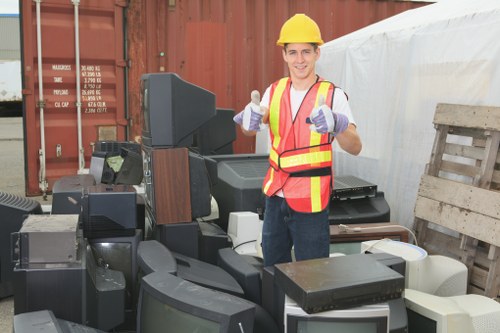
Training is mandatory for all staff engaged in clearance and rubbish removal operations. Training covers manual handling techniques, safe vehicle loading, use of lifting equipment, correct segregation of waste streams and safe disposal routes. Supervisors conduct regular competence checks and ensure that newer staff work under close supervision until competency is demonstrated. Records of training, certificates and refresher sessions are maintained for audit and continuous improvement.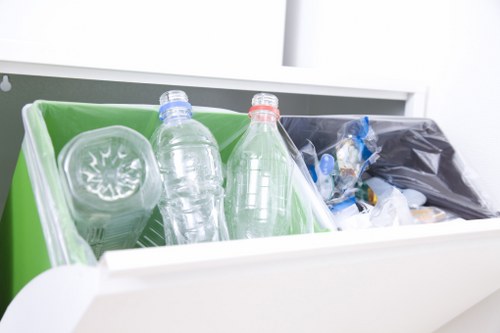 Personal protective equipment (PPE) and equipment safety: PPE requirements are task-specific and include gloves, eye protection, protective footwear and hi-vis clothing. For chemical or asbestos-like risks, additional respiratory or protective suits will be used following appropriate assessment. Equipment such as trolleys, sack trucks and securing straps are inspected before use. A maintenance and inspection schedule is maintained to ensure tools and vehicles are safe and fit for purpose.
Waste segregation and hazardous materials: our clearance service follows a clear hierarchy for the handling of waste. Operatives sort and segregate where practical to enable lawful disposal. Items that may contain hazardous materials, batteries, solvents, asbestos-suspect materials, electrical goods and sharps are handled with specific procedures. The following controls are emphasised:
- Identification and segregation at source
- Use of secure containment for sharps and contaminated materials
- Immediate isolation and escalation where suspected asbestos is encountered
Incident reporting, first aid and emergency response
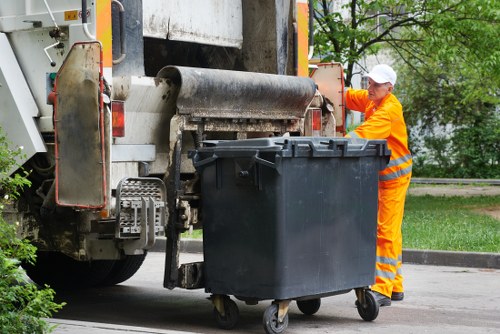
All incidents, injuries and near-misses must be reported without delay through the organisation's reporting process so that investigative and corrective action can be taken. First aid provision is provided appropriate to the site risk profile and staff are aware of location and contacts for emergency medical assistance. Evacuation routes and emergency procedures are included in job briefs and site-specific risk assessments, ensuring a clear chain of command in an incident. Vehicle, loading and site safety: vehicle operations form a core component of a professional flat clearance company. Drivers and loaders are trained in safe loading arrangements, weight distribution and securement of items. Parking and access arrangements are assessed to avoid obstruction and to protect pedestrians. Where manoeuvring in tight spaces occurs, banksmen or spotters are used and reversing is minimised through planned positioning. Environmental controls reduce spill risks and emissions during clearance work.
 Contractors, monitoring and compliance: subcontractors are selected on the basis of competence and adherence to this health and safety policy. Contracts require evidence of appropriate safety management, insurance and training. Routine inspections, toolbox talks and random audits are used to monitor compliance. Performance metrics and key safety indicators are reviewed regularly so we can update procedures. Record keeping for risk assessments, training, incidents and inspections is maintained and available for review by authorised parties.
Policy review and continual improvement: this document is reviewed at least annually or sooner following significant changes to legislation, operations or after a serious incident. Feedback from staff and operational learning informs updates so the flat clearance service remains aligned with best practice. The organisation commits to investing in training, equipment and systems that reduce risk and improve the safety and quality of rubbish clearance work.
Management commitment: senior management endorse this policy and are responsible for ensuring adequate resources are available to meet its requirements. Supervisors are responsible for ensuring site-specific arrangements are implemented and that all operatives are made aware of their responsibilities. Every employee is expected to take reasonable care for their own safety and the safety of others and to cooperate with the enforcement of this policy.
Conclusion: the organisation is committed to delivering reliable flat clearance and waste removal services while maintaining a safe working environment. Adherence to the procedures set out in this policy ensures risks are managed, legal and ethical obligations are met, and that staff and public safety remain the primary concern during all rubbish clearance activities.