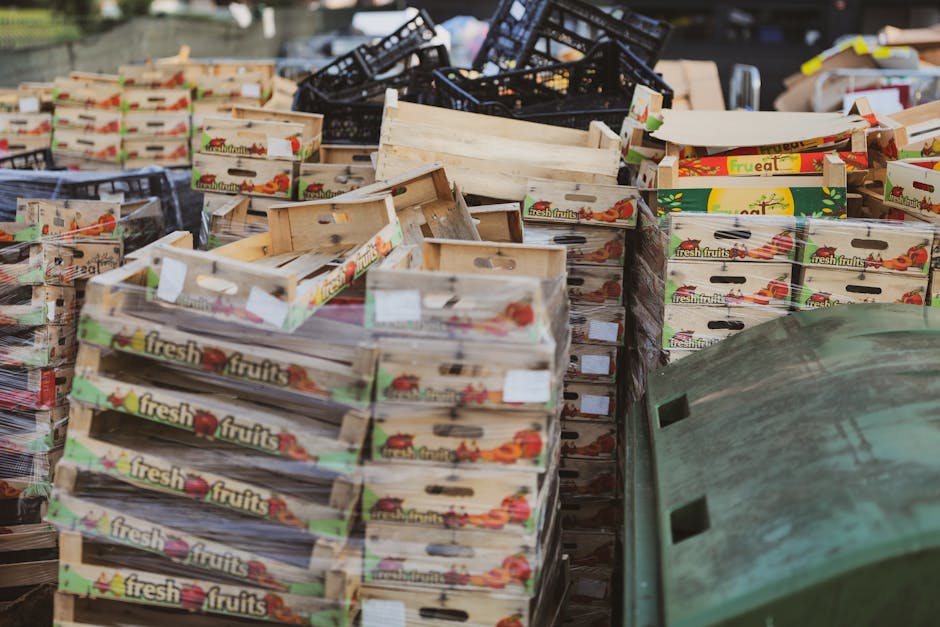
Catford Broadway market rubbish collection tips
If you manage a stall, help with market setup, or simply end up clearing bags after a busy trading day, Catford Broadway market rubbish collection tips can save you time, money and a fair bit of stress. Markets create a very specific kind of mess: cardboard that flattens awkwardly, food packaging that fills up fast, broken display bits, and the odd item nobody wants to carry home. Add pedestrians, tight loading space, and the need to keep things tidy while trading, and rubbish collection becomes more than a clean-up job. It becomes part of how smoothly the market runs.
This guide is written for anyone who needs practical, local-minded advice on handling market waste well. You will find clear steps, common mistakes, and sensible ways to keep waste under control without making the day harder than it needs to be. Truth be told, most rubbish problems at markets are not dramatic. They are small things left unattended for too long. That is exactly what makes good habits so useful.
Table of Contents
- Why Catford Broadway market rubbish collection tips Matters
- How Catford Broadway market rubbish collection tips Works
- Key Benefits and Practical Advantages
- Who This Is For and When It Makes Sense
- Step-by-Step Guidance
- Expert Tips for Better Results
- Common Mistakes to Avoid
- Tools, Resources and Recommendations
- Law, Compliance, Standards, or Best Practice
- Options, Methods, or Comparison Table
- Case Study or Real-World Example
- Practical Checklist
- Conclusion
- Frequently Asked Questions
Why Catford Broadway market rubbish collection tips Matters
Market waste is not just an eyesore. At a busy market like Catford Broadway, rubbish affects movement, customer experience, hygiene, and how quickly a pitch can be reset for the next trading period. A few stray boxes may not seem like much in the morning. By mid-afternoon, though, they can block walkways, attract pests, and make a stall look unprepared.
Good rubbish collection also helps with reputation. Customers notice when a market feels organised. They notice when bins are overflowing too. That little detail can shape whether people stay for another browse or head off sooner than planned. And for traders, cleaner working areas usually mean fewer trip hazards and less time spent hunting for lost stock under a pile of packaging.
There is another angle that people sometimes miss: waste handling can affect cost. If rubbish is mixed carelessly, it may take longer to sort, take up more space, and require more frequent removal. Better collection habits often reduce that pressure. In that sense, the best tip is not glamorous at all. It is simply to deal with waste early and deal with it properly.
Expert summary: The best market rubbish strategy is usually the simplest one: separate waste as you go, clear it before it builds up, and make sure every bag or load has a clear destination.
How Catford Broadway market rubbish collection tips Works
In practical terms, market rubbish collection usually follows a straightforward pattern. Waste is created during set-up, trading, and pack-down. It then needs to be sorted, stored safely, and removed in a way that does not interrupt customers or neighbouring stalls.
Most market waste falls into a few common groups:
- General waste such as food wrappers, napkins, damaged packaging, and mixed non-recyclable items.
- Cardboard and paper from deliveries, display cartons, and stock packaging.
- Plastics and soft packaging that may be recyclable if kept clean and separate.
- Food waste from catering or fresh produce stalls.
- Bulky items like broken crates, shelving, old signs, or worn display materials.
- Specialist waste such as refrigeration units, chemicals, sharp items, or items that should not go in general bins.
The collection process works best when waste is removed in stages rather than all at once. For example, a stall might flatten cardboard during set-up, keep a small caddy or bag for lightweight litter during trading, and then use a larger final clear-up at the end of the day. That keeps the stall usable and stops waste from creeping into every corner.
If you need a larger, one-off or recurring clearance approach, a broader waste removal service can be useful for mixed loads, while more targeted options like business waste removal or builders waste clearance may suit specific trade waste streams. The right option depends on what you are actually throwing away. That part matters more than people think.
Key Benefits and Practical Advantages
The real value of better rubbish collection at Catford Broadway is not abstract. You see it in how the day feels. Less clutter. Less rushing. Fewer awkward little bottlenecks where someone is trying to push a trolley past two overfilled bags. Small win, yes, but very real.
- Cleaner customer areas: A tidy pitch feels more welcoming and professional.
- Safer movement: Less loose waste means fewer slips, trips, and blocked pathways.
- Faster pack-down: Pre-sorted waste is easier to remove at the end of the day.
- Better recycling potential: Clean cardboard and separated materials are easier to recover.
- Reduced odour and pest risk: Especially important if food is involved.
- Better neighbour relations: Traders and staff appreciate a shared space that stays manageable.
There is also a slightly underrated benefit: less mental friction. If the waste point is under control, everything else feels calmer. You are not stepping around bags all day or wondering where to put the next empty box. That sounds small, but after a few hours on your feet it counts.
Who This Is For and When It Makes Sense
This advice is useful for a wide mix of people. Some are regular traders. Some are people helping with an occasional stall. Some are cafe or food operators nearby who need a more organised way to dispose of packaging and prep waste. And some are simply residents or landlords dealing with the aftermath of a community event or market-related clear-out.
It makes especially good sense when:
- your stall generates mixed waste and cardboard in volume
- you are trading on busy days and need quick, tidy clear-ups
- you share waste space with other traders and need good separation
- you are handling bulky stock packaging or display material
- you want to improve recycling without making the stall more complicated
- you are planning a one-off clear-out after an event or stock refresh
If the waste is not just light litter but includes furniture, appliances, or old stock fixtures, you may need a more tailored clearance route. Pages like furniture clearance, furniture disposal, and fridge and appliance removal can be relevant if your market setup involves broken displays, chillers, or old fixtures.
Step-by-Step Guidance
If you want a simple system, start here. You do not need a grand waste strategy. You need a repeatable one.
- Map the waste before trading starts.
Look at what you are likely to produce: cardboard, food packaging, food scraps, shrink wrap, bottles, broken materials. Do this once properly and the rest gets easier. - Place bins where people naturally work.
Not tucked away in a corner nobody visits. If the bin is awkward to reach, waste will land on the floor or in the wrong bag. Human nature, really. - Keep cardboard flat from the outset.
Flatten boxes as soon as stock is unpacked. This saves an unbelievable amount of space. It also makes loading safer and neater. - Separate clean recyclables from dirty waste.
Once cardboard is greasy or food-soiled, its recycling options often become more limited. Keep clean and dirty waste apart from the start. - Use the right bags or containers.
Light bags for litter, sturdier sacks for heavier mixed waste, and rigid containers where sharp edges might be an issue. - Schedule a mid-day tidy.
Do not wait until the end if things are already full. A five-minute reset can prevent a much bigger mess later. - Store waste safely until collection.
Nothing should block exits, customer routes, or loading access. If something has to wait, store it out of the way and securely. - Finish with a proper pack-down sweep.
Check under tables, behind display boards, and around the base of crates. It is always the little scraps that escape attention.
One small but practical point: if you are dealing with mixed bulky waste, it can be useful to compare your options before moving anything. A check against what can go in a skip is handy if you are considering a skip-based solution, while pricing and quotes may help if you want to understand the shape of a clearance job before committing.
Expert Tips for Better Results
Most waste headaches come from small habits, not big disasters. The good news is that small habits are easier to fix.
1. Label waste points clearly
If you have more than one bin or container, label them in plain English. "Cardboard only" beats clever wording every time. People are busy. Nobody wants a puzzle at the side of a stall.
2. Keep a separate bag for sharps or broken items
If something has jagged edges, broken glass, or metal splinters, it should not be left loose in a general waste bag. Use a safer container and remove it properly.
3. Do not overfill bags
This one sounds obvious, and yet it happens constantly. Overfilled bags split, fall over, and make a mess during moving. They are also awkward to lift. Better to use one extra bag than one painful back.
4. Think about smell and weather
On warm days, food waste can become unpleasant very quickly. Keep it contained and removed promptly. On wet days, cardboard gets heavy and awkward. If you can protect waste from rain, do it. That tiny bit of effort pays off.
5. Build a shared routine if you trade alongside others
Shared spaces work best when everyone follows the same rhythm. If one stall leaves packaging everywhere and the next one tidies carefully, the whole area suffers. A basic shared routine makes a surprising difference.
If you are already looking at a larger clean-up, services such as garage clearance, house clearance, or home clearance can be helpful for related disposal jobs beyond the market itself. Sometimes the waste problem starts at the stall and ends in the back room, the garage, or the flat. Happens all the time.
Common Mistakes to Avoid
Even experienced traders slip into bad waste habits when the day gets busy. Here are the ones that cause the most trouble.
- Mixing everything together: Once recyclables, food waste, and general waste are thrown in one bag, sorting becomes harder and more expensive.
- Leaving waste until closing time: By then, the bags are heavier, smells are stronger, and the space is already cluttered.
- Using the wrong container size: Too small and waste overflows. Too large and waste gets left hanging around too long.
- Ignoring bulky packaging: Large delivery boxes can swallow valuable space if not flattened immediately.
- Assuming all waste can be handled the same way: Not every item belongs in a standard bin. That is especially true for appliances, broken equipment, and potentially hazardous materials.
- Blocking walkways or entrances: This creates obvious safety and access issues, and it makes the whole market feel less organised.
One small detail people often overlook: dirty cardboard is usually not the same as clean cardboard. If your waste strategy does not account for that, recycling gets muddled quickly. A bit of discipline early on saves a lot of sorting later.
Tools, Resources and Recommendations
You do not need specialist equipment to improve rubbish collection, but a few basic items make life much easier.
- Fold-flat delivery knife or box cutter for breaking down packaging safely
- Durable bin bags or sacks suitable for the type of waste being collected
- Colour-coded containers if you want simple separation
- Gloves for handling mixed waste, broken packaging, or dirty items
- Hand trolley or sack truck for moving heavier loads without strain
- Secure storage area for waste awaiting collection
For trade or business users, it can also help to read through recycling and sustainability guidance so your waste habits support recovery where possible. If your market operation expands into regular business disposal needs, business waste removal is often more practical than ad hoc disposal.
And if you need reassurance about the company handling your load, pages such as health and safety policy, insurance and safety, and payment and security are worth a look. They do not solve rubbish problems by themselves, but they do help you choose a service with a bit more confidence.
Law, Compliance, Standards, or Best Practice
Waste handling in the UK sits within a wider duty of care approach. In plain English, that means you should take reasonable steps to ensure your waste is stored, sorted, transferred, and collected responsibly. You do not need to become a legal expert overnight, but you do need to avoid sloppy handling, illegal dumping, or putting restricted items into the wrong stream.
For market traders and small businesses, best practice usually includes:
- separating recyclable material where reasonably possible
- keeping waste contained so it does not create litter or nuisance
- using legitimate collectors or disposal routes
- storing waste safely until removal
- checking whether items need specialist handling
Hazardous or difficult waste deserves extra caution. Paints, chemicals, contaminated materials, or items with refrigerants should not be treated like standard rubbish. If that sort of material appears, a specialist route such as hazardous waste disposal is the safer choice. It is one of those areas where guessing is not a good plan.
If you deal with confidential papers at a stall office or nearby back office, confidential shredding can also be relevant. Not glamorous, but useful. Very useful, actually.
Options, Methods, or Comparison Table
Different waste situations call for different solutions. Here is a simple comparison that may help you choose the right approach without overthinking it.
| Method | Best for | Strengths | Limitations |
|---|---|---|---|
| Small on-site bins | Light daily litter and packaging | Cheap, easy, simple to place | Not suitable for bulky or mixed loads |
| Separated recycling bags | Clean cardboard and light recyclables | Improves recycling, easy to monitor | Needs discipline and space |
| Skip-based disposal | Bulk clear-outs and larger mixed loads | Handles volume well | Needs planning and may not suit every item |
| Man-and-van style clearance | Flexible one-off market clearances | Quick, less on-site disruption | May be less suitable for ongoing daily waste |
| Specialist item removal | Appliances, mattresses, sofas, or fragile bulky items | Safer handling, better compliance | Requires the right service for the item |
If your waste is more about old stock furniture, stall fixtures, or worn display items, the more specific services like mattress and sofa disposal and office clearance may be more relevant than standard rubbish removal. It depends on the load, not the label.
Case Study or Real-World Example
Picture a small market stall selling homeware and gift items. By lunchtime, the stall has unpacked several cardboard boxes, bubble wrap, plastic ties, and a few broken product displays. At first, everything gets pushed to one side. Nothing too bad. Then the next delivery arrives. Then a customer asks a question right where the waste pile has started to form. Then someone nearly trips over a loose box flap. Classic chain reaction.
The stall changes tack after that. Cardboard gets flattened immediately. A recycling sack sits beside the packing area. A separate bag is used for mixed waste. Broken display material is stored upright in one place rather than scattered around. At closing, the clear-down takes less time than it used to, and the stall starts the next day without that odd sense of chaos underfoot.
It is a small example, but it reflects how most improvements happen in real life. Not through dramatic reform. Through a few calmer habits repeated consistently. You can almost feel the difference when the stall is neat: less rustling plastic, fewer hidden corners, less rushing.
If a market clear-out becomes a larger job, perhaps after stock rotation or a stall refit, a broader service such as flat clearance or loft clearance may help with related items stored off-site. That is often where the real clutter hides, tucked away for later.
Practical Checklist
Use this before, during, and after the market day.
- Identify the main waste types you will create.
- Place bins and sacks where staff can reach them easily.
- Flatten cardboard as soon as it is empty.
- Keep clean recyclables separate from dirty waste.
- Use sturdy bags or containers that suit the load.
- Do a mid-day check so rubbish does not build up.
- Keep pathways and exits clear at all times.
- Store bulky waste safely and out of the way.
- Remove hazardous or specialist items through the correct route.
- Do a final sweep for scraps, loose tape, and broken packaging.
Quick takeaway: if you can make waste visible, separate, and easy to remove, you will solve most collection problems before they become a hassle.
If you are planning a larger clean-up or need a clearer idea of service options, you can also review pricing and quotes and use book online when you are ready to move forward.
Conclusion
Good rubbish handling at Catford Broadway is not about perfection. It is about control. The stalls that stay tidy usually do a few simple things well: they separate waste early, keep routes clear, and remove rubbish before it starts to dominate the space. That kind of routine makes the whole market feel more welcoming, more professional, and less stressful for everyone involved.
If you only remember one thing from this guide, let it be this: small waste habits save big headaches. A flattened box here, a proper bag there, a five-minute tidy before the rush gets bad. These are not glamorous tasks. They are just the habits that keep the day moving.
If your current waste routine feels clunky, you do not need to rebuild it from scratch. Start with one or two changes and make them stick. Then build from there. It gets easier, honestly.
Get a free quote today and see how much you can save.
Frequently Asked Questions
What is the best way to manage rubbish at a busy market stall?
The best approach is to separate waste as it is created, flatten packaging immediately, and keep a mid-day tidy routine. That stops rubbish from piling up and makes closing much quicker.
How do I stop cardboard taking over my stall?
Break it down as soon as boxes are empty. Keep a dedicated stack or container for flat cardboard rather than leaving full boxes on the floor. A few minutes early saves a lot of space later.
Can market waste be recycled if it is mixed with food or liquid?
Sometimes, but it depends on the condition of the material and the rules for your waste stream. Clean cardboard and clean packaging are usually easier to recycle than contaminated items.
What should I do with broken display items or shelving?
Keep them separate from general litter and dispose of them through an appropriate clearance route. If the items are bulky or awkward, a broader service such as furniture clearance may be more suitable.
Is it better to use bags or bins for market waste?
Both can work. Bags are useful for lightweight mixed waste, while bins or containers are better where you need more structure or want to reduce mess. The best choice depends on the type of rubbish you produce.
What waste should never go in a general rubbish bag?
Anything hazardous, sharply broken, or specialist should be handled separately. That includes chemicals, certain electrical items, and materials that need extra care. When in doubt, do not guess.
How often should a market waste area be cleared?
Ideally throughout the day, not just at the end. Small, regular clear-ups are easier and safer than one large pack-down after the space has become cluttered.
Can I use a skip for market rubbish collection?
Yes, if the waste type and volume suit that method. It is worth checking what can go in a skip before choosing one, especially if your load includes mixed or bulky items.
What is the biggest mistake people make with market waste?
Leaving everything until the end of the day. Once waste builds up, it becomes harder to move, harder to sort, and more likely to get in the way of trading.
Do I need a specialist service for appliances or refrigeration units?
Usually yes. Items like fridges, freezers, and other appliances should be handled through an appropriate removal route, such as fridge and appliance removal, because they need more careful handling than general waste.
How can I keep waste handling safer for staff?
Use gloves, avoid overfilled bags, keep routes clear, and store anything sharp or heavy with care. A tidy waste area is a safer waste area, simple as that.
Where can I get help if my market clean-up has turned into a bigger project?
If waste has spread beyond the stall and into storage areas, a wider clearance service may help. Home clearance, garage clearance, loft clearance, and waste removal can all be relevant depending on what needs shifting.
Sometimes the cleanest markets are not the ones with the fewest boxes. They are the ones where someone quietly made good decisions early. That part, more than anything, keeps the place feeling human and easy to work in.